Why Teenagers Are Attracted to Online Gaming Apps
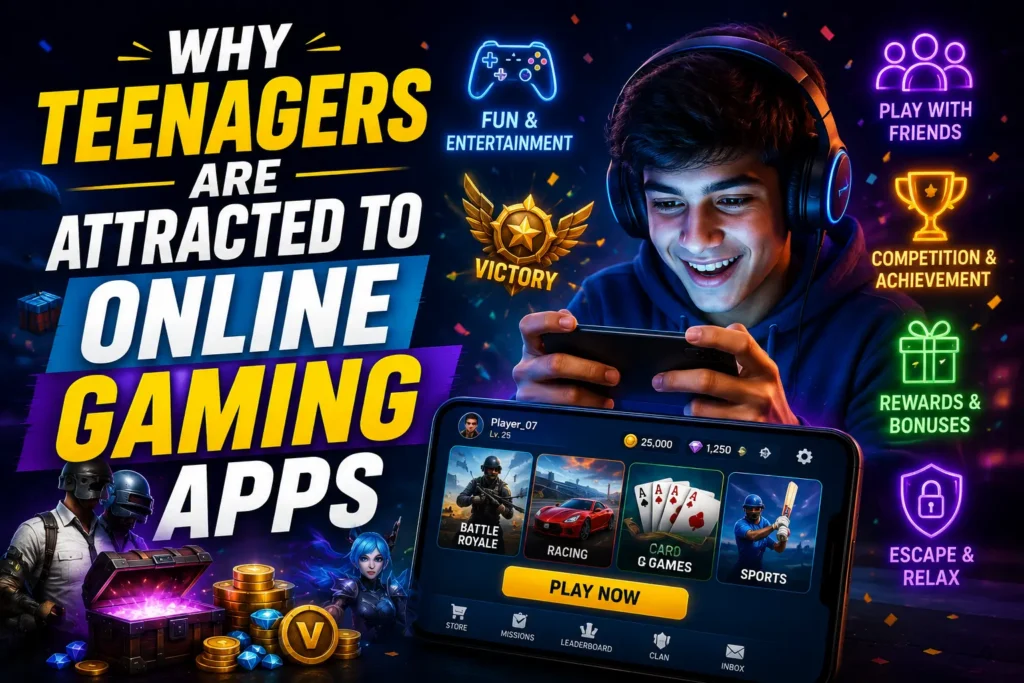
Online gaming apps have become a huge part of teenage entertainment across the world. From multiplayer battle games to fantasy sports and mobile casino-style games, teenagers are spending more time on gaming platforms than ever before. With smartphones becoming more affordable and internet access improving rapidly, gaming apps are now available to almost everyone.
But why are teenagers so attracted to online gaming apps? The answer is not just about fun. These apps are designed to keep users engaged through rewards, competition, social interaction, and constant excitement. Understanding these reasons can help parents, educators, and even teenagers themselves become more aware of how gaming apps influence behavior.
The Growth of Online Gaming Apps
The online gaming industry has grown rapidly over the last few years. Mobile gaming apps now offer high-quality graphics, real-time multiplayer experiences, live chats, tournaments, and reward systems that were once only available on gaming consoles.
Teenagers are one of the biggest user groups for these platforms because they are highly active online and comfortable with digital technology. Many gaming companies also create games specifically targeted toward younger audiences using colorful designs, competitive features, and social interaction systems.
Easy Access Through Smartphones
One of the biggest reasons teenagers are attracted to online gaming apps is accessibility. Almost every teenager today has access to a smartphone, tablet, or computer. Unlike traditional video games that required expensive consoles, mobile gaming apps can be downloaded instantly and played anywhere.
Whether students are at home, traveling, or spending time with friends, gaming apps are always available. This convenience makes gaming a regular habit for many teenagers.
Competitive Nature and Rewards
Teenagers naturally enjoy competition. Online gaming apps use leaderboards, rankings, rewards, and achievements to create excitement and motivation.
Many games offer:
- Daily rewards
- Unlockable levels
- Bonus points
- Virtual currencies
- Limited-time events
- Ranking systems
These features encourage players to return regularly and continue improving their performance. Winning matches or reaching higher levels gives teenagers a sense of achievement and recognition.
Social Interaction and Friendships
Modern online gaming is no longer a solo activity. Most popular games include multiplayer modes, voice chats, live streaming, and online communities.
Teenagers often use gaming apps to:
- Play with friends
- Meet new people
- Join gaming communities
- Share achievements online
- Participate in team competitions
For many teenagers, gaming becomes a social experience similar to hanging out with friends in real life. This social connection keeps users emotionally attached to certain games and platforms.
Stress Relief and Entertainment
Teenagers face academic pressure, social expectations, and emotional stress in daily life. Gaming apps provide a temporary escape from these pressures.
Many teenagers play games because they:
- Feel relaxed while gaming
- Enjoy immersive virtual worlds
- Use games to reduce boredom
- Want entertainment after school or work
Fast-paced gameplay and interactive challenges can help distract users from stress for short periods of time.
Influence of Social Media and Influencers
Gaming influencers, YouTubers, and streamers play a major role in attracting teenagers to gaming apps. Popular creators regularly upload gameplay videos, tutorials, and live streams that reach millions of viewers.
Teenagers often download games after:
- Watching streamers play them
- Seeing gaming clips on social media
- Following esports tournaments
- Hearing about trending games from friends
This creates a strong online culture around gaming where certain games become viral very quickly.
Reward Systems and Psychological Engagement
Many gaming apps are designed using psychological techniques that increase user engagement. Features like random rewards, streak bonuses, and surprise achievements trigger excitement and curiosity.
Games often use:
- Bright visuals
- Sound effects
- Achievement notifications
- Instant feedback
- Progress tracking
These elements make the gaming experience highly stimulating, especially for teenagers whose brains are still developing emotionally and socially.
The Rise of Esports and Online Competitions
Esports has transformed gaming into a professional industry. Teenagers now see gaming not only as entertainment but also as a possible career option.
Professional gaming tournaments, streaming platforms, and esports competitions have increased interest in online gaming apps. Some teenagers dream of becoming:
- Professional gamers
- Streamers
- Gaming influencers
- Esports athletes
This career-related motivation also increases the popularity of gaming among younger audiences.
Peer Pressure and Trends
Teenagers are heavily influenced by trends and peer groups. When friends are playing a particular game, others often join to feel included.
Popular multiplayer games create social pressure where teenagers may feel left out if they do not participate. This trend-based behavior contributes significantly to the rapid growth of gaming apps.
Potential Risks of Excessive Gaming
Although gaming can provide entertainment and social interaction, excessive use may also create problems.
Some possible risks include:
- Reduced focus on studies
- Sleep disturbances
- Addiction-like behavior
- Reduced physical activity
- Increased screen time
- Emotional frustration after losses
Parents and teenagers should maintain a healthy balance between gaming and daily responsibilities.
How Parents Can Manage Healthy Gaming Habits
Parents do not always need to completely stop gaming. Instead, they can encourage balanced and responsible use.
Helpful strategies include:
- Setting screen time limits
- Encouraging outdoor activities
- Monitoring age-appropriate games
- Discussing online safety
- Promoting healthy routines
Open communication is usually more effective than strict restrictions.
Conclusion
Teenagers are attracted to online gaming apps because these platforms combine entertainment, competition, social interaction, rewards, and convenience in a highly engaging way. Modern gaming apps are carefully designed to capture attention and encourage long-term participation.
While gaming can offer enjoyment and even skill development, excessive usage may create challenges if not managed properly. Understanding why teenagers are drawn to these apps can help families create healthier digital habits while still allowing young users to enjoy gaming responsibly.